Warwick comes up a lot when buyers start looking at Orange County, NY. Sitting about 50 to 58 miles northwest of New York City, it's far enough from the metro area that the pace of life is genuinely different - not just technically different. Whether that trade-off works for you depends on some very concrete factors: your commute tolerance, your budget, and how you feel about a snowy winter. These details matter most when buying a home in Warwick, NY.
The Quick Verdict on Relocating to Warwick
The Town of Warwick is larger than most people picture, and it contains the smaller Village of Warwick within its borders. Town population sits around 31,859, with a median age of about 44 years. Inside the village limits, you're looking at roughly 6,652 residents and a noticeably older median age of 51.4 years.
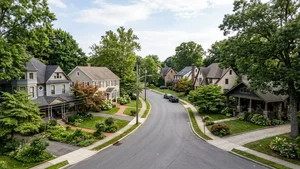
What you'll find here is a mix - rural land, working farms, and a walkable village center - not one thing or the other.
Upsides of the Area
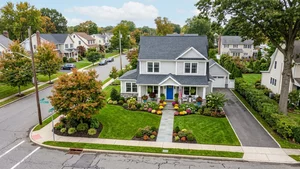
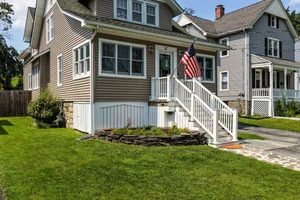
Space is the most obvious draw. Lot sizes tend to be considerably larger than what you'd find in the denser suburbs closer to the city, and the housing types reflect that. The area also gives you access to multiple state parks and agricultural spaces, along with local schools and community facilities, without the congestion of an urban core.
Downsides to Consider
The commute is real. Fifty to 58 miles to New York City generally means one to one-and-a-half hours on a good day, more when traffic cooperates with Murphy's Law. The overall cost of living runs above the national average, which surprises some buyers who assumed distance from the city meant lower costs. Severe snowstorms are routine in winter, and certain properties carry localized flood exposure - both of which factor into insurance and maintenance budgets.
Location and Proximity to New York City
Warwick sits in the southern portion of Orange County, officially part of the Kiryas Joel–Poughkeepsie–Newburgh metropolitan statistical area. The town shares a border with New Jersey, which puts it in an interesting in-between position - upstate New York in feel, but within reach of northern New Jersey as well.
That geography is the whole trade-off in one sentence: you're outside the urban core, but the urban core is still there when you need it.
Commuting Options and Drive Times
Plan on an hour to an hour and a half to New York City under normal conditions. Most drivers take Route 17 or the New York State Thruway. There's no direct train station into Manhattan from Warwick, so commuters typically drive to nearby transit hubs in New Jersey or New York first, then catch a train or regional bus from there. It adds steps. That's worth knowing before you fall in love with a house.
Cost of Living and the Local Housing Market
The median sale price for a home here was recently around $464,000. Homes are moving - averaging just 37 days on market - and with roughly two months of supply and about 17 active listings recently, you're not shopping in a buyer's market. Homes are averaging about 101% of list price, meaning offers over asking are the norm, not the exception.
Everyday Expenses and Incomes
Salary.com's 2026 estimates put the cost of living roughly 37% above the national average. Other indexes - AreaVibes and HomeSnacks - score it between 123 and 129 against a national baseline of 100. However you measure it, it's expensive relative to most of the country.
Local incomes do reflect that. The median household income for the Town of Warwick is roughly $119,328. The Village of Warwick comes in lower, at about $89,609.
Climate and Natural Hazard Risks
Orange County winters are not decorative. Severe snowstorms are a regular feature of the season here, and hazard modeling shows a moderate risk for hurricanes on top of that. The overall risk for major storm events is rated low, but don't let that headline number make you underestimate the snow.
Heavy accumulation affects commutes and demands seasonal upkeep. Budget accordingly.
Localized Flooding Concerns
Two specific water sources drive the flood risk conversation here: the Wallkill River and Wawayanda Creek. Both are flagged in local hazard mitigation plans. Wawayanda Creek runs directly through the village center and has overflowed during heavy rain events. If you're looking at property near either of those, verify the flood zone maps and get clear on what flood insurance will cost before you're under contract.
Understanding the Area's Crime Statistics
According to CrimeGrade.org, the overall crime rate in Warwick is roughly 14.25 incidents per 1,000 residents, placing the area in the 84th percentile nationwide. The violent crime rate is reported at 2.406 per 1,000 residents. NeighborhoodScout estimates a 1-in-225 chance of becoming a crime victim in Warwick, compared to a national average of 1-in-44.
Those numbers give you a useful frame of reference. They don't tell the whole story on their own.
Researching Data for Specific Addresses
Town-wide averages can mask meaningful variation block by block. Before you make an offer, look up the specific address - not just the zip code. The local police department's crime mapping tools are a practical starting point, and you can request reports from the Orange County Sheriff's Office directly. FBI Uniform Crime Reporting data is also worth pulling for historical trend context on the exact area you're considering.
Local Amenities and School District Facts
Warwick has parks, agricultural centers, and municipal services distributed across both the town and the village. Regional healthcare access is available, and utility infrastructure exists throughout the area - though whether a specific property connects to municipal water or relies on a private well depends on its location. Confirm that during the inspection period, not after.
Warwick Valley Central School District
Public schools here fall under the Warwick Valley Central School District, which serves over 3,000 students. The district operates five buildings: Pine Island Elementary, Park Avenue Elementary, Sanfordville Elementary, Warwick Valley Middle School, and Warwick Valley High School. Your child's elementary school assignment depends on where your property is located within the district, so verify the attendance boundaries with the district office directly - don't assume based on town or village lines.
Frequently Asked Questions
Is Warwick, NY a good place to live?
For buyers who want more space and a genuine village feel without being too far from New York City, yes. The trade-offs are a high cost of living and a tight housing market, so it fits best if your budget and commute tolerance are both solid.
What are the biggest cons or downsides to living in Warwick, NY?
The cost of living runs roughly 37% above the national average, and the commute to New York City is real - one to one-and-a-half hours by car, with no direct train into Manhattan. Add severe winter snowstorms and localized flood risk near the Wallkill River and Wawayanda Creek, and you've got a full picture of what to plan around.
Is Warwick, NY expensive to live in?
Yes. The recent median home sale price was about $464,000, property taxes are high, and overall daily expenses outpace national averages. You need a solid budget coming in.
What do the crime statistics show for Warwick, NY?
CrimeGrade.org reports an overall crime rate of 14.25 per 1,000 residents and a violent crime rate of 2.406 per 1,000 residents. NeighborhoodScout estimates a 1-in-225 chance of being a crime victim - lower than the national average of 1-in-44.
Is Warwick, NY a practical commuter town for people working in New York City?
That depends on how much time you're willing to spend in a car. New York City is 50 to 58 miles away, the drive runs one to one-and-a-half hours under normal conditions, and there's no direct train station into Manhattan. Some people make it work. Others decide it's too much after six months.
What housing options are available in Warwick for seniors or those needing assisted living?
The Village of Warwick skews older, with a median age of 51.4 years, and various housing types exist across the town. For specific information on senior, assisted, or sober living facilities, check the New York State Department of Health directories - availability and services change frequently enough that any specific list I'd give you could be out of date before you use it.
How do residents travel locally and commute from Warwick?
Most people rely on personal vehicles for daily errands across the rural town, though the village center is walkable. Commuters heading to New York City typically drive to nearby transit hubs to catch a train or regional bus. Severe winter snowstorms frequently impact options for getting around Warwick, making a reliable vehicle essential.
Are there medical facilities located in Warwick?
Regional healthcare access is available to residents across both the town and the village. Buyers should verify the exact distance from their specific property to hospitals in Warwick before finalizing a purchase. Severe winter snowstorms can occasionally affect travel times to these facilities.