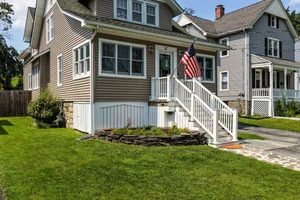
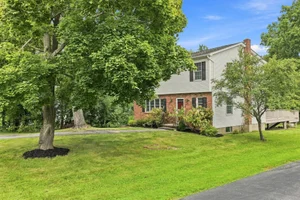
If you are looking at real estate in Orange County, you have likely realized that it is one of the most desirable destinations for Hudson Valley living. But narrowing it down often leads to a classic debate between two very different towns: Middletown and Warwick. While they are neighbors on the map, the day-to-day experience in each could not be more distinct.
The decision usually comes down to what you prioritize most: the bustling convenience and affordability of a commercial engine, or the picturesque charm of a historic town. Middletown offers a practical, budget-friendly lifestyle with direct train access, while Warwick serves up that idyllic "village life" with open spaces and a strong community focus. Both are viable for hybrid commuters, sitting roughly 60 to 90 minutes from NYC, but the trade-offs are real. Let’s break down what it actually looks like to live in Middletown vs Warwick.
Lifestyle & Vibe: Commercial Hub vs. Historic Haven
When you drive through these towns, the difference in atmosphere is immediate. Middletown is an urban-suburban mix that feels busier, diverse, and incredibly practical. It is the kind of place where you are never more than ten minutes from a major hospital, a big-box store, or a highway on-ramp. It has a genuine "city" energy, with pockets of quiet residential streets tucked away from the main drag.
Warwick, on the other hand, balances small-town charm with a heavy dose of agri-tourism. It is famous for its walkable Village center, thriving wineries, apple orchards, and an aesthetic that often feels like it was pulled straight from a Hallmark movie. It is a destination town, meaning weekends can bring tourists, but the weeknights are peaceful and scenic.
The pace of life reflects these differences. Middletown hums with the noise of traffic and commerce, especially around the retail corridors. Warwick is significantly quieter, particularly once you get outside the village limits and into the rolling hills. If you crave action and access, Middletown wins; if you want a retreat, Warwick is likely your speed.
Real Estate Market Comparison (2026 Update)
If your budget is the primary driver, this is where the two towns diverge the most. Middletown is arguably the affordability leader in the area. The inventory here is a mix of older Victorians near the center, mid-century ranches further out, and a growing number of new townhouse developments that cater to first-time buyers.
Warwick acts as a premium market for the county. You should expect significantly higher price tags here, whether you are looking for a historic home in the village or a house on a large lot in hamlets like Pine Island or Greenwood Lake. While the market has seen some cooling as we settled into early 2026, Warwick remains a more expensive tier of housing compared to its neighbor.
To give you an idea of the numbers, here is how the markets stack up right now:
Middletown Median Sale Price: You are generally looking at the $340,000 to $360,000 range for a solid single-family home.
Warwick Median Sale Price: Expect to start looking around $500,000 to $550,000, with luxury properties going well beyond that.
Rentals: Middletown has more inventory, with one-bedrooms hovering around $1,600+. Rentals in Warwick are scarcer and command a premium.
Middletown homes tend to move faster simply because that entry-level price point attracts so many buyers. If you are browsing homes for sale in Warwick NY, you might have a little more breathing room to decide, but you will need a stronger pre-approval letter to get in the door.
Cost of Living: Taxes, Utilities, and Day-to-Day Expenses
The mortgage is just one part of the equation. When you factor in the total cost of living, the gap between the two towns can widen. Both are in Orange County, which means property taxes are generally on the higher side compared to the national average. However, if you buy within the Village of Warwick, you need to watch out for the "village tax," which is an additional layer on top of town and school taxes.
Everyday expenses look different depending on your zip code, too. Middletown is the king of budget shopping. You have access to Aldi, Walmart, and endless fast-food options that keep weekly grocery bills manageable. Warwick relies much more on local boutiques and higher-end grocery markets. While you can always drive to a big box store, it isn't right around the corner like it is in Middletown.
Utilities are generally comparable across the region, but keep the age of the home in mind. Older farmhouses in Warwick or historic Victorians in Middletown may rely on heating oil, which can cause winter utility bills to spike compared to modern natural gas setups. Overall, living in Middletown keeps you closer to the national cost baseline, while Warwick creates a lifestyle that is roughly 30% to 35% more expensive.
Commuting to NYC: Train vs. Bus
For many new residents, the commute to Manhattan is the deciding factor. The logistics here are quite different. Middletown is generally preferred by those who want a train seat. It is home to the Middletown-Town of Wallkill station on the Metro-North Port Jervis Line. This offers a ride to Hoboken or Secaucus (where you transfer to Penn Station), taking about one hour and 40 minutes.
Warwick, surprisingly to some, does not have a direct train station in town. Instead, the local commuter culture revolves around the bus. The NJ Transit #196 and #197 buses are a staple here; they are comfortable and offer Wi-Fi, making the ride productive. Alternatively, many Warwick residents drive about 20 minutes to the Tuxedo or Harriman train stations to catch the rail.
When it comes to driving, Middletown has the edge for highway access. It sits directly on I-84 and Route 17, making it easy to zip east, west, or south. Warwick is tucked away, requiring you to navigate back roads for a bit before you hit the major arteries. Regardless of which town you choose, you should mentally prepare for a door-to-door commute of 90 minutes to 2 hours.
Schools and Education
Education is often a top priority for households moving to the Hudson Valley. The Warwick Valley Central School District is frequently cited as a major draw. It has a reputation for strong athletics, robust arts programs, and high graduation rates. It is a district that attracts people specifically looking for those traditional "high-rating" metrics.
The Middletown City School District is a larger, more urban environment. It is known for its diversity and an extensive range of extracurricular options that smaller districts sometimes can't match. While its test score ratings might trail Warwick in some online comparisons, it offers unique pathways for students.
Additionally, Middletown hosts SUNY Orange, the local community college. This is a massive asset for students looking to knock out gen-ed credits affordably while living at home. When comparing the two, it's less about "good vs bad" and more about the type of environment—bustling and diverse vs. tight-knit and spirited—that fits your student best.
Shopping, Dining, and Recreation
Where do you go on a Saturday night? In Middletown, the anchor is the Galleria at Crystal Run. It’s the classic mall experience with chains like Target, Best Buy, and a movie theater. The dining scene here is an underrated gem, offering excellent authentic Mexican and Asian cuisine that rivals much bigger cities.
Warwick offers a completely different vibe. Residents head to Main Street for boutique shopping and dinner at farm-to-table restaurants. The area is famous for the Warwick Valley Winery and various craft breweries that serve as weekend hangouts. A unique local landmark is the Warwick Drive-In Theater, which is still active and draws crowds from all over the county.
For outdoor enthusiasts, Warwick has easier access to the Appalachian Trail and the water activities at Greenwood Lake. Middletown has plenty of parks, like Fancher Davidge Park, but they are more "suburban developed" parks rather than rugged nature escapes.
Summary: Pros and Cons
If you are still weighing your options, here is a quick breakdown of the trade-offs.
Middletown Pros:
Significant affordability advantage.
Unbeatable convenience for shopping and errands.
Direct train station access for commuters.
Diverse community and food scene.
Middletown Cons:
Heavier traffic and noise.
Suburban sprawl can feel less scenic.
Less of a cohesive "town center" feel compared to a village.
Warwick Pros:
Stunning scenic beauty and open spaces.
Vibrant, walkable village culture.
Highly rated school district.
Strong sense of local community and identity.
Warwick Cons:
Higher property taxes and home prices.
Longer commute logistics (reliance on bus or driving to train).
Fewer budget-friendly shopping options nearby.
Frequently Asked Questions
Is Warwick NY more expensive than Middletown NY?
Yes, living in Warwick is generally more expensive. Housing prices are significantly higher—often $150,000 to $200,000 more for comparable homes—and Village taxes add to the annual cost. Day-to-day shopping in Warwick also tends to lean toward premium boutiques rather than the budget big-box options found in Middletown.
Does the train go to Warwick NY?
No, there is no direct train station in Warwick itself. Most rail commuters drive roughly 20 minutes to the Tuxedo or Harriman stations to catch the train into the city. However, many locals prefer the NJ Transit bus lines (196/197), which pick up directly in Warwick and offer a comfortable ride into NYC.
Which town is better for commuting to NYC?
It depends on your preference for bus versus train. Middletown is better if you want to board a train directly in your town, as it has its own Metro-North station. Warwick is better if you prefer a one-seat bus ride or don't mind a short drive to a train station in exchange for a quieter, semi-rural home life.