Relocating to Orange County offers a distinct shift in pace and space for buyers leaving the immediate New York City metro area. Middletown sits strategically in the Hudson Valley, providing a crucial balance of suburban infrastructure and access to the Catskill Mountains. The area serves as a major transition zone between the dense urban centers of the south and the rural landscapes of upstate New York.
The local landscape has evolved significantly by the spring of 2026, shifting from a quiet upstate transit hub into a primary destination for permanent residents. Navigating this market requires a clear understanding of commuting logistics, property tax structures, and neighborhood variations. Prospective buyers must carefully weigh these local factors to make an informed relocation decision.
Middletown, NY Real Estate Market and Median Home Prices
The spring 2026 housing market in Middletown presents a distinct contrast to the pricing found in NYC and northern New Jersey. Median home prices currently hover between $425,000 and $475,000, offering substantially more square footage than buyers typically find closer to the city. This price point allows many purchasers to enter the single-family market without compromising on lot size or interior space.
Single-family houses and townhomes are moving at a steady pace, with average days on market ranging from 44 to 56 days. The rental sector remains active as well, with average monthly rents sitting around $2,300 for amenity-rich apartment complexes. Inventory levels fluctuate seasonally, making the spring and early summer months particularly competitive for desirable properties.
Buyers should expect a highly structured market where turnkey properties command immediate attention. Securing a home here requires decisive action and a clear understanding of your precise budget constraints. Working with a local agent who understands the specific micro-markets within the city limits is absolutely essential.
The overall housing stock includes a mix of mid-century construction and newer developments built over the last two decades. While new construction commands a premium, older homes frequently offer larger lots and established tree canopies. Buyers must weigh the benefits of modern energy efficiency against the distinct character of established neighborhoods.
Exploring Middletown Neighborhoods and Property Types
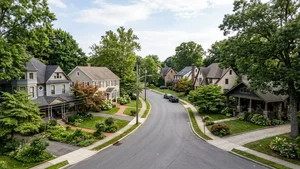
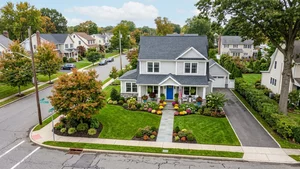
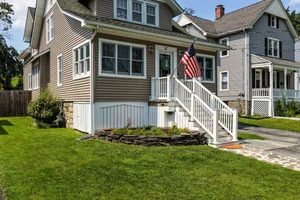
The city features an array of housing styles, starting with historic homes located near the downtown district that showcase classic early-twentieth-century architecture. Further from the city center, buyers can find mid-century single-family houses with acreage that provide substantial privacy. These older properties often feature mature landscaping and distinct architectural details that newer builds lack.
Newer townhome developments are also expanding, specifically designed for buyers seeking properties managed by an HOA. These communities offer streamlined maintenance and are strategically positioned near major transit routes. This property type is particularly popular among buyers who want to limit their exterior upkeep responsibilities.
Cost of Living and Property Taxes in Orange County
Evaluating the true cost of living in Middletown requires a close look at local property taxes and municipal fees. Combined property tax rates generally total around $270 to $280 per $1,000 of assessed value. These rates are a critical component of the overall housing budget and directly impact monthly carrying costs.
This structure incorporates City, County, Library, and School taxes into one overall burden. An average property tax bill in the area often exceeds $4,600 annually, depending strictly on the specific property assessment and location. Properties located outside the immediate city limits may experience slightly different tax configurations based on their specific township.
Daily expenses such as groceries, utilities, and transportation run moderately lower than in The Bronx or Rockland County. However, new buyers must factor in New York State transfer taxes when finalizing their initial housing budget. Closing costs can accumulate quickly, so retaining a financial cushion is highly recommended.
While the base purchase prices look highly attractive compared to NYC, the layered tax structure demands careful calculation. Buyers must evaluate their total monthly carrying costs rather than just the mortgage principal and interest. A comprehensive financial review prevents unexpected surprises during the first year of homeownership.
Beyond taxes, prospective residents should account for municipal services like water, sewer, and sanitation. Properties within the city limits typically connect to municipal lines, while homes further out may require private well and septic maintenance. Understanding these utility differences is crucial when comparing properties across different districts.
Commuting from Middletown to the NYC Metro Area
Transportation infrastructure is a major deciding factor for anyone relocating to Middletown while maintaining employment in the city. Door-to-door commute times to Midtown Manhattan or Jersey City typically ranges from 75 to over 120 minutes. This extensive travel time requires careful consideration of hybrid or remote work schedules.
The Metro-North Railroad Port Jervis Line serves the area directly, though riders must complete a necessary transfer at Secaucus Junction in NJ to reach Penn Station. Many residents choose to drive south to the Harriman station to shorten their overall train commute and increase their departure options. Parking availability at these transit hubs is generally reliable, but securing a monthly permit is advisable.
For those who prefer road travel, Coach USA operates express bus service that utilizes the Route 17 and I-84 corridors. The reality is that commuting from this section of Orange County requires a high tolerance for travel time and potential weather delays. Winter storms can significantly impact highway travel, making proximity to the train station a valuable asset.
The shift toward hybrid work schedules has made this extended commute far more manageable for many former city residents. Traveling into Manhattan two or three days a week is a highly common pattern for professionals living in the area. This flexibility has directly contributed to the sustained housing demand throughout Orange County.
Healthcare Facilities and Major Local Employers
For residents who prefer to work locally, Garnet Health Medical Center serves as both a primary healthcare provider and a massive regional employer. The surrounding medical corridor includes numerous specialized practices and urgent care centers for routine medical needs. This concentration of medical facilities provides a massive economic anchor for the entire municipality.
Touro College of Osteopathic Medicine further anchors the local economy, creating consistent demand for housing and supporting localized retail. This strong medical and educational foundation provides robust local employment alternatives to the lengthy NYC commute. Professionals in the healthcare sector often find highly competitive opportunities directly within the city limits.
Enlarged City School District of Middletown Statistics
The Enlarged City School District of Middletown manages the primary educational infrastructure for the immediate region. Current enrollment figures show approximately 7,400 students distributed across the district's elementary, middle, and high schools. The district covers a large geographic footprint, pulling students from both the city center and surrounding suburban developments.
The district maintains a student-to-teacher ratio generally ranging from 11:1 to 13:1. This ratio allows for relatively standard class sizes across the various grade levels and specialized academic programs. Educational resources are distributed across multiple campuses to accommodate the steady population growth in Orange County.
Middletown High School features extensive athletic and academic facilities that rival many surrounding districts. Buyers prioritizing educational infrastructure will find that the district offers a comprehensive footprint, though specific building assignments depend strictly on your street address. Verifying the exact zoning boundaries with the district office is a necessary step before submitting a property offer.
Commercial Amenities and Outdoor Recreation
Middletown operates as the primary commercial hub for western Orange County, offering extensive retail and dining options. The Galleria at Crystal Run and its surrounding shopping plazas provide immediate access to national grocery store chains and major retailers. This high concentration of retail infrastructure draws shoppers from across the surrounding rural communities.
The historic downtown Middletown sector has undergone significant revitalization, resulting in a dense collection of small businesses, independent restaurants, and local breweries. This localized commercial growth provides a strong alternative to the large-scale mall environment. The historic Paramount Theatre anchors this downtown district, hosting regular events that draw consistent foot traffic to the area.
Outdoor recreation is equally accessible, with Highland Avenue Park and local farmers' markets operating throughout the warmer months. Residents also benefit from quick proximity to the Catskill Mountains, which offer extensive kayaking in the summer and skiing during the winter. Route 17 provides a direct artery to these outdoor destinations, making weekend trips highly convenient.
The sheer volume of commercial amenities means residents rarely need to leave the city limits for daily necessities. This self-sufficiency is a massive advantage for those adjusting to life outside the dense urban core. The balance of major retail centers and independent downtown shops creates a highly functional local economy.
Frequently Asked Questions About Moving to Middletown, NY
How long is the commute from Middletown to NYC?
Total travel time typically ranges from 75 to 120 minutes depending on your exact destination and mode of transit. Taking the Metro-North Port Jervis Line requires a transfer at Secaucus Junction before arriving in Manhattan.
What is the weather like in Middletown, NY?
The Hudson Valley experiences four distinct seasons, featuring humid summers and cold winters with moderate to heavy snowfall. Residents should expect winter temperatures to frequently drop below freezing, requiring proper home insulation and snow removal equipment.
What are the job opportunities in Middletown, NY?
The local economy is heavily anchored by the healthcare and retail sectors. Garnet Health Medical Center and the extensive commercial plazas along Route 17 provide the bulk of immediate employment opportunities.
What is the cost of living in Middletown, NY?
Living costs are generally lower than in NYC, with median home values sitting around $425,000 to $475,000. However, residents must budget carefully for property taxes, which average around $4,600 annually depending on the specific property.