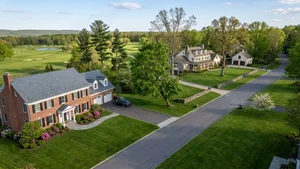
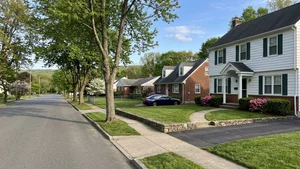
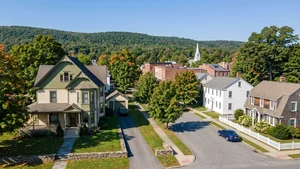
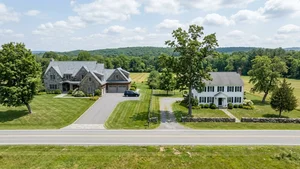
The median home price in Middletown, NY sits right around $425,000 this year. Buyers budgeting for a purchase often focus entirely on the down payment, but the final transaction comes with an additional set of expenses due on signing day.
These final fees cover everything from county taxes to the attorney who processes the paperwork. Understanding exactly what goes into buyer closing costs in Middletown, NY helps you avoid scrambling for extra cash just days before you get the keys.
The Total Cost to Close on a Middletown Home
Buyers typically pay between 3% and 5% of the purchase price to finalize a real estate transaction in Orange County. On a median-priced $425,000 home, that translates to roughly $12,750 to $21,250 due at the settlement table.
These funds are completely separate from your down payment. The final amount you owe depends on the size of your loan, the specific property taxes, and whether you choose to pay for optional mortgage points to lower your interest rate.
What You Pay the Mortgage Lender
Most lenders charge an origination fee for underwriting and processing your loan application. This fee usually equals about 0.5% to 1% of the total loan amount, though some local credit unions offer flat-fee structures.
You will also pay for a real estate appraisal to verify the home's value for the bank. Appraisals in Orange County currently range from $400 to $600, depending on the size of the property.
Lenders pass along minor administrative expenses as well. These include charges for pulling your credit report and running a flood certification to check if the property sits in a designated flood hazard zone.
Buyers who want a lower monthly payment can purchase discount points. Each point costs 1% of the loan amount and lowers the interest rate by a set fraction, adding to the upfront cash required.
State and County Real Estate Taxes
Orange County assesses a mortgage recording tax on all financed real estate transactions. The buyer's portion of this tax is 0.80% of the total loan amount for one-to-two-family homes, minus a standard $30 exemption.
Sellers generally pay the New York State transfer tax, but buyers of newly constructed homes are sometimes required to cover this expense. You should review the builder's contract carefully to see who holds responsibility for the transfer tax.
High-end purchases trigger the New York Mansion Tax. This is a 1% surcharge applied to any residential property purchased for $1,000,000 or more, and the buyer must pay it in full at settlement.
Title Protection and Attorney Fees
New York State law requires a licensed real estate attorney to handle the closing process. Attorney fees in the Hudson Valley generally range from $1,000 to $3,000, covering contract review, title examination, and representation at the final signing.
Title insurance protects against past ownership claims or hidden liens on the property. You must purchase a lender's title policy to secure a mortgage, but you should also buy an owner's policy to protect your own financial interest in the home.
The title company will also charge for the initial title search. Once the transaction is complete, you will pay recording fees to the county clerk's office to make the new deed and mortgage public record.
Funding Your Escrow Account
Lenders require borrowers to fund an escrow account to cover future property taxes and home insurance premiums. You will typically need to deposit two to six months of property taxes upfront to establish a sufficient buffer.
Homes located within the Enlarged City School District of Middletown have specific tax rates that factor directly into this initial deposit. The exact amount collected depends on the time of year you buy and when the next tax bill is due.
Municipal taxes are prorated between the buyer and the seller based on the exact closing date. If the seller already paid the annual taxes, you will reimburse them for the portion of the year you will own the home.
How the Property Type Changes Your Final Bill
Buying a condo or townhouse often requires upfront prepayments to the homeowners association. Many associations demand a capitalization fee, which is a non-refundable deposit equal to two or three months of standard dues.
Single-family homes near local landmarks like Fancher-Davidge Park or the Middletown Metro-North station come with different insurance requirements. A standard home policy relies on the home's specific replacement cost and proximity to municipal fire services.
Multi-family properties can alter how the county calculates your transaction taxes. Purchasing a building with three or more units changes the mortgage recording tax rate and may introduce commercial appraisal fees.
Strategies to Reduce Your Out-of-Pocket Expenses
You can negotiate with the seller to cover a portion of your transaction costs. Lenders allow seller concessions, which typically cap at 3% to 6% of the purchase price depending on the loan type.
Shopping around for your mortgage is another effective way to lower the final tally. Comparing loan estimates from multiple banks helps you identify the lowest origination fees and administrative charges.
There are a few additional ways to manage your cash to close. Ask your attorney if any administrative fees or courier charges can be waived, and request quotes from several different homeowners insurance providers to lower your initial escrow deposit.
Frequently Asked Questions
Can closing costs be rolled into the loan in Middletown, NY?
Most standard conventional loans do not allow buyers to finance their closing fees. However, some USDA or VA loans permit rolling certain costs into the mortgage if the home appraises higher than the purchase price.
How much are closing costs on a $400,000 house in Middletown?
Expect to pay between $12,000 and $20,000 to close on a $400,000 property. The exact figure depends on your chosen lender and the current property tax rate for that specific address.
Does Middletown, NY have a first-time home buyer grant?
Orange County periodically offers down payment and closing assistance programs for income-qualified buyers. You should check with local housing counseling agencies to see if funding is currently available for this year.