Buyers targeting agricultural land are drawn to living in Warwick, NY for good reason - the farming culture runs deep, and the region has the soil, the history, and the visitor traffic to support a working operation. But buying a farm is not like buying a house. You're acquiring a business alongside the real estate, which means evaluating crop yields, infrastructure condition, and commercial viability before you ever talk price.
The market isn't giving buyers much room to hesitate right now. Overall real estate values have seen a roughly 27% year-over-year increase, and properties are frequently closing at around 100.6% of their list price. When a viable agricultural parcel surfaces, it moves.
The Agricultural Landscape Here
The area has a long-established reputation for fruit production and vineyards. What you'll actually find on the market is a mix - active commercial operations on one end, smaller parcels suited for hobby farming on the other. If you're stepping into an existing farm, you'll need a thorough review of current crop yields and supply chain relationships before you close. Those relationships don't automatically transfer with the deed.
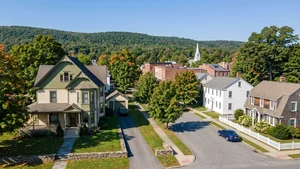
Proximity to the Warwick Village Historic District matters more than buyers sometimes realize. The district is a genuine anchor for local tourism - it pulls consistent weekend foot traffic, and visitors who come for the history tend to build their itineraries around nearby farm stands and tasting rooms. Landmarks like the Old School Baptist Meeting House draw history enthusiasts who become exactly the kind of day-tripper an agritourism operation depends on. If you're projecting tasting room revenue, regional visitor patterns need to be part of that model.
Assessing Infrastructure and Land Quality
The condition of barns, processing facilities, and any public-facing retail space will tell you a lot about what the acquisition is actually going to cost you. Upgrading a tasting room or installing modern irrigation isn't optional if the infrastructure is dated - it's a capital expense you need to price into your initial offer, not something to negotiate away after the inspection.
Soil composition and topography are key variables. Vineyards need specific drainage profiles. Apple and peach trees require distinct soil nutrients. Historical yield data gives you a starting point, but independent soil tests give you a clearer picture of what the land can actually support going forward.
Market Dynamics for Farm Properties
As of mid-2026, the broader market is showing roughly 27 months of supply across certain property types - a slow-moving environment by most measures. Turn-key agricultural operations priced correctly tend to be the exception to that pattern.
Plan for a longer due diligence period than you'd expect from a residential deal. Purchasing a farm involves transferring environmental permits, agricultural licenses, and sometimes existing employee contracts. Financing these hybrid commercial-residential properties requires lenders who actually understand agricultural underwriting - a standard residential lender isn't going to get you there.
Location within the town limits also shapes what a property can do commercially. Parcels near the 1764 Shingle House - the oldest structure in the village - tend to command a premium because of their proximity to established tourist routes. The math you need to run is simple: purchase price against required operational upgrades, measured against realistic revenue. That's what tells you whether a deal actually works.
Transitioning an Existing Operation
Taking over an active farm mid-season without a plan is a fast way to lose a crop. Negotiate a handover period where the previous owner stays on as a consultant - it protects continuity in crop management and keeps wholesale distributor relationships intact during the transition.
Equipment is a separate conversation. Tractors, presses, and specialized harvesting machinery are often sold apart from the real estate itself. Get clarity on exactly which assets convey with the property before a contract gets drafted. It's a common sticking point, and vague language in an offer costs you later.
Frequently Asked Questions
Do I qualify for agricultural tax exemptions if I buy a small orchard in Warwick, NY?
It depends on the size of the property and its annual gross sales. Assessors look closely at commercial yield - and with the median sale price for general real estate here sitting around $493,000, tax reductions are something buyers pursue seriously.
What are the specific zoning requirements for starting a new winery or cidery in Warwick?
It depends on the exact parcel and its current use. You'll need to verify the specific agricultural district designations governed by Orange County, New York.
What should buyers look for when evaluating an existing, operational orchard for sale in Warwick?
It depends on the specific crops being grown. Always inspect the age of the trees and the condition of existing irrigation systems. Inventory is tight right now - recent data shows only about 27 active listings across all property types - so you won't have the luxury of shopping around indefinitely.
What are the biggest soil and water rights pitfalls to check before buying agricultural land in Warwick, NY?
It depends on the property's historical usage and proximity to protected watersheds. The town sits approximately 55 miles northwest of New York City, which means state and regional environmental regulations tightly govern water extraction and pesticide runoff. That's not a detail to sort out after you're under contract.
How does buying a residential property with a hobby farm differ from purchasing a commercial winery in Warwick?
It depends on your commercial intent and timeline. Residential homes with acreage move fast - a median of just 17 days on market. Commercial wineries require extensive due diligence and considerably longer closing timelines. Those are two very different transactions.
Which areas or specific roads in Warwick are best for investing in agritourism real estate?
It depends on your desired balance of acreage and foot traffic. Properties closer to the Warwick Village Historic District - designated to the National Register of Historic Places in 1984 - tend to capture more casual day-trippers. How much that matters depends entirely on how central tasting room and retail traffic is to your business model.