The median home value in Middletown, NY sits near $236,900, offering a more accessible entry point compared to many other Hudson Valley cities. Buyers looking at Orange County often weigh this affordability against the realities of living in a mid-sized urban center. Safety is a primary consideration for anyone purchasing property or relocating to the area.
Understanding the local landscape means looking past broad generalizations and focusing on the numbers. Middletown has a population of just over 30,000 people and a population density of about 2,000 residents per square mile. This concentration of housing and commercial space creates different daily experiences depending on which street or block you choose.
Examining the Local Crime Statistics
Local police and state agencies record an average of 2,300 total crime incidents per year in the city. Recent data shows the violent crime rate hovers around 4.7 incidents per 1,000 residents. This puts the city roughly in line with the national average, though slightly higher than the broader New York state baseline.
Property crime represents the vast majority of police reports in the area. The city experiences about 19 property crimes per 1,000 residents annually. Theft, burglary, and vehicle-related offenses make up the bulk of these numbers.
Homebuyers should factor these statistics into their search process. Areas with high foot traffic and commercial storefronts naturally see more property-related incidents than lower-density residential streets.
Property Crime Trends
Vehicle break-ins and package thefts are the most common issues residents face. Leaving cars unlocked overnight or storing valuables in plain sight increases the risk of a break-in. Many homeowners install video doorbells and motion-sensor lighting to deter opportunistic theft.
Violent Crime Context
Violent offenses are less frequent but remain a consideration. These incidents tend to cluster around specific late-night commercial zones rather than spreading evenly across residential blocks. Reviewing neighborhood-level incident maps through the local police department can give buyers a clearer view of specific streets.
How City Layout Affects Daily Life
Middletown features a mix of dense downtown blocks and more spread-out suburban corridors. The city's geography means that the environment can change noticeably within a half-mile radius. Commercial centers draw visitors from surrounding towns, which increases traffic and general activity levels.
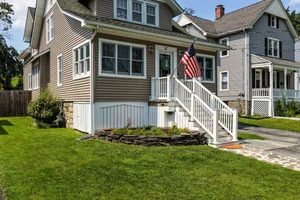
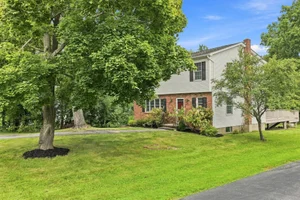
Housing types vary alongside the street layout. You will find historic multi-family homes near the center and single-family properties with larger yards on the outer edges. The proximity to major roads like Route 211 also plays a role in how busy a specific area feels.
Buyers should spend time in the city during different parts of the day to gauge the noise and activity levels. A street that feels quiet on a Tuesday morning might look very different on a Friday night.
The Downtown Core and North Street
The central business district along North Street contains restaurants, local government buildings, and retail shops. This area sees the highest concentration of pedestrian traffic and public transit use. The dense layout means homes here often lack off-street parking, requiring residents to use municipal lots or street spaces.
The Highland Avenue Corridor
Moving away from the center, the Highland Avenue and Washington Heights areas feature wider roads and more single-family zoning. Properties here typically include driveways and private yards. The reduced commercial presence results in lower overall foot traffic and fewer noise complaints.
Practical Security Measures for Homeowners
Most residential property crimes in the area involve unlocked vehicles or unsecured packages. Exterior lighting is one of the most effective ways to discourage trespassing. Motion-activated floodlights over driveways and back doors provide immediate visibility at night.
Homebuyers should check the condition of exterior doors and windows during their property inspections. Solid-core doors, deadbolt locks, and reinforced strike plates offer better protection than older, hollow-core alternatives. Upgrading these fixtures is a relatively inexpensive project that provides immediate benefits.
Many residents also rely on smart home technology to monitor their properties. Modern security systems allow homeowners to check camera feeds and receive alerts directly on their phones. These systems offer peace of mind, especially for residents who commute out of Orange County for work.
Frequently Asked Questions
What is the property crime rate in Middletown, NY?
The city reports about 19 property crimes per 1,000 residents annually, which is largely driven by opportunistic theft. Homeowners in neighborhoods with street parking experience higher rates of mirror damage and vehicle break-ins than those with private driveways. Installing motion-sensor lights and keeping valuables out of vehicles are the best ways to reduce your risk.
Are there areas with more commercial activity?
The downtown core along North Street serves as the main commercial hub, bringing more daily foot traffic and transit riders. Properties near major shopping plazas along Route 211 also see increased activity and noise compared to purely residential zones. Buyers looking for quieter streets often focus their search on the outer edges of the city limits.
How does Middletown compare to the rest of New York?
Middletown's crime rates are generally higher than the rural towns in Orange County, but align closely with other mid-sized cities like Newburgh or Poughkeepsie. The violent crime rate matches the national baseline, while property crime sits slightly above the state average. Buyers transitioning from New York City often find the environment much quieter, while those moving from rural areas may need time to adjust to the density.