The Hudson Valley spans multiple counties with genuinely diverse housing options, while Warwick sits specifically in southern Orange County. Buyers looking outside the New York City metro area often compare these two options to figure out where their housing budget goes furthest and weigh the pros and cons of living in Warwick, NY.
What that comparison actually requires is a hard look at median home prices, property tax rates, and commute times. Whether you want a historic farmhouse or a modern build on a few acres, working through real estate in Warwick, NY vs the broader Hudson Valley will tell you more than any general impression of the region.
Real Estate Markets and Current Home Prices
The median sale price in Warwick, NY sits around $493,000, with homes spending roughly 17 days on the market - a pace that tells you demand is real and inventory is thin. Properties here frequently sell at or slightly above asking price.
Prices vary significantly once you step back and look county by county. Orange County as a whole hovers around $465,000, Dutchess County ranges from $464,000 to $490,000, and Westchester County reaches up to $785,000. Warwick lands above its own county median, so factor this premium into your budget.
Average Costs in Warwick and Nearby Counties
Active listings in Warwick tend to run well above the closed median - recent listing averages sit closer to $624,000 or $645,000, so don't let the $493,000 figure lull you into expecting that price point to be easy to find. Available inventory has come in around 27 homes in the immediate area, which doesn't give you much room to shop around.
Move toward the city and the premiums get steeper. Rockland County has seen its median surpass $700,000 in recent reporting, which puts Warwick in reasonable perspective for buyers who assumed southern Orange County would automatically be cheaper than everything else in the region.
Property Types and Architectural Styles
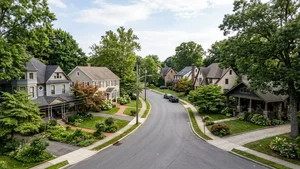
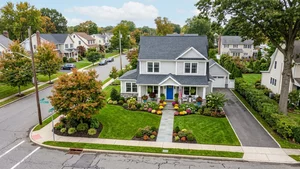
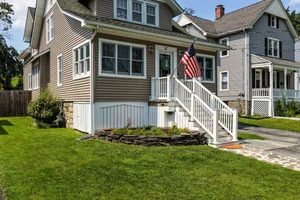
Warwick has historic farmhouses, mid-century homes, and newer construction on larger parcels - and the town encompasses three distinct villages, including Greenwood Lake, which adds waterfront property to the mix. That's a wider range of property types than a lot of buyers expect to find in one town.
The wider Hudson Valley offers a similar spread, though specific architectural styles shift by county. Large acreage exists in both places, but the availability of undeveloped land changes as you move further north.
Comparing Property Taxes and Fees
Warwick carries a median effective property tax rate between 2.19% and 2.78%, which sits modestly above the New York state average of 1.70% to 2.05% - not dramatically higher, but it adds up. The median tax bill in Orange County ranges from $8,463 to $9,900.
For context, Putnam County residents see a median bill around $10,001, and Westchester County bills average roughly $9,003, reflecting the higher home valuations there. So while Warwick's rate is above the state average, its actual tax bills land below what you'd face in Putnam or Westchester.
Commuting to Manhattan and Regional Transit
Warwick is approximately 53 to 58 miles from Manhattan by road. Drive time runs 1 hour 20 minutes to 1 hour 30 minutes depending on traffic and route - which is manageable for a hybrid schedule but a grind if you're doing it five days a week.
The broader Hudson Valley offers multiple commuting corridors, including Interstate 87 and the Taconic State Parkway. Your preferred way of getting to the city will do a lot to determine which town actually makes sense for your life.
Highway Access and Drive Times
Drivers leaving Warwick generally connect via Route 17 to the New York State Thruway or to northern New Jersey highways - a straightforward path for anyone commuting to employment centers in New Jersey or New York City.
Other Hudson Valley towns work differently. Areas in Dutchess or Putnam counties lean more on Route 9 or Interstate 84 for east-west movement across the region.
Public Transit and Bus Routes
There is no commuter train station within Warwick's borders. NJ Transit runs a direct, hourly bus service from Oakland Avenue at Orchard Street to the Port Authority Bus Terminal - the trip takes about 1 hour 34 minutes. That's your option if you don't want to drive.
Some Warwick residents do drive to the Tuxedo or Suffern stations to catch Metro-North or NJ Transit trains, which adds a step but gets you onto rail. Eastern Hudson Valley towns often have direct Metro-North stations, which is a real advantage if you're a train commuter and you should weigh it honestly before deciding.
Local Amenities and Outdoor Recreation
The landscape here isn't incidental - it's a primary reason people buy in this part of New York. Warwick has direct access to the Appalachian Trail and numerous local hiking paths, and the Hudson Valley broadly is known for its extensive park systems and state reserves.
The specific types of recreation vary by town, but green space is not something either area is short on.
Trails, Parks, and Lakes
Warwick offers county park amenities for hiking and biking, local golf courses, and the village of Greenwood Lake for boating and water activities - all within the same town. The fertile farmland of Pine Island sits inside town limits too, surrounded by rolling mountain scenery.
The broader Hudson Valley matches this with its own network of trails, state parks, and access to the Hudson River for recreation. It's a different flavor depending on where you land, but outdoor access is not a differentiator that breaks clearly in either direction.
Dining and Commercial Centers
Warwick's commercial center covers local shopping, dining, and agricultural attractions. Residents can handle everyday necessities alongside specialized local businesses without driving to a larger city.
Other Hudson Valley towns have similar downtown districts. How dense and varied those commercial areas are depends largely on whether you're in a city like Poughkeepsie or a smaller village - Warwick falls somewhere in between.
Investment Potential and Market Trends
Seventeen days on market is not a slow market. Buyer demand in Warwick is steady, and the limited inventory keeps it that way.
The broader region reflects similar pressure, with Rockland County crossing the $700,000 median and most Hudson Valley counties sitting above $450,000. County-level medians have consistently exceeded $350,000 across the region, which tells you something about the floor that's been established here over time.
Long-Term Market Strength
Limited inventory in Warwick keeps sellers in a strong position - properties frequently sell at or slightly above listing price, which has meant solid value retention for current homeowners.
If you're buying as an investor or planning to hold for several years, tracking county-level metrics is worth your time. The specific towns that align with your timeline may not be obvious from regional headlines alone.
Frequently Asked Questions
How do home prices and property taxes in Warwick, NY compare to the broader Hudson Valley average?
Buyers can offset Warwick's higher entry prices through its property tax structure. While a $493,000 home here typically incurs an annual tax bill under $10,000, similar properties in Westchester or Putnam frequently trigger five-figure tax assessments due to higher municipal rates and home valuations.
Is commuting to NYC from Warwick faster or easier than from other popular Hudson Valley towns?
Warwick favors bus riders with direct NJ Transit routes to Port Authority, but it lacks local rail access. If your schedule requires Metro-North trains, focus your search on eastern corridor towns along the Hudson River or plan to drive to the Tuxedo station.
What unique lifestyle benefits does Warwick offer homebuyers that are hard to find elsewhere in the region?
Buyers drawn to Warwick secure immediate access to three distinct environments: waterfront properties at Greenwood Lake, active agricultural parcels in Pine Island, and mountain-adjacent homes near the Appalachian Trail. Few single municipalities in Orange County contain this specific mix of zoning and topography.
Is the village of Warwick as walkable and transit-friendly as other Hudson Valley hotspots like Beacon or Cold Spring?
Unlike towns built around Metro-North stops, Warwick requires a vehicle for regional rail access. While the downtown commercial district supports pedestrian shopping and dining, daily commuters must rely on the Oakland Avenue bus stop or park at a neighboring rail station.
If I get priced out of Warwick's housing market, what are the best alternative Orange County towns nearby?
Look toward Suffern or Tuxedo if you need lower entry prices without sacrificing transit access. Both municipalities maintain active rail stations and frequently feature active listings closer to the $465,000 county median.
Is it harder to find large, private acreage in Warwick compared to the more rural parts of the Hudson Valley?
Buyers seeking expansive parcels face tighter inventory and higher premiums in southern Orange County. Expanding your search into the northernmost counties of the Hudson Valley yields a higher concentration of raw land and historic farm properties at lower per-acre valuations.