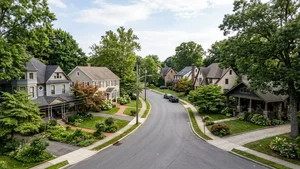
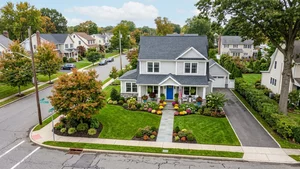
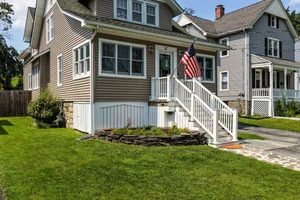
The median home sale price in Warwick, NY sits at roughly $493,000, and homes are going under contract in about 17 days. With only around 27 homes available at any given time, anyone weighing renting vs buying alongside the pros and cons of living in Warwick, NY is working in a tight, fast-moving market.
The real decision comes down to three things: how much capital you have right now, what your monthly cash flow looks like, and how long you're planning to stay. Both paths have real trade-offs in this part of Orange County, and neither one is obviously right for everyone.
Core Differences Between Renting and Buying in Warwick
Zumper reports a median monthly rent of around $2,725 in Warwick, though single-family houses can average over $2,900 a month. Comparing that to a mortgage payment means looking beyond the number on the check to what's underneath it and how much you're committing to up front.
Homes here are selling at roughly 100.6% of list price. Buyers need to come in prepared and sharp. Renters are dealing with their own version of that pressure - lease terms and available property types shift constantly, and the good rentals don't sit either.
The Basics of Renting
Renting in Warwick means signing a lease - typically for one year - and paying a monthly rate for use of the property. Major repairs and maintenance fall on the landlord, not you.
The range is wide. Apartments run around $1,214 to $1,221 a month on the lower end, while larger single-family homes can push past $4,000. That spread gives residents a way to live in Orange County without locking into a decades-long mortgage, which matters if your situation is still in flux.
The Basics of Buying
Buying means securing financing - usually through a 30-year fixed mortgage - and taking full ownership. You build equity as you pay down the loan and, if values hold or rise, as the property itself appreciates.
You also take on everything that comes with that ownership: maintenance, repairs, and annual tax assessments. In Warwick, you decide how long you stay, and you don't need anyone's permission to gut a kitchen or redo the landscaping.
Upfront and Ongoing Costs to Consider
New York State law caps residential security deposits at one month's rent. Landlords in Warwick must hold that deposit in an interest-bearing New York bank account - it's not optional.
Buyers face a steeper hill on day one. Down payments and closing costs require serious liquid capital, and while first-time buyers nationwide often put down around 10%, 20% is the benchmark you'll hear most often in New York real estate.
Initial Costs for Renters
Getting into a rental typically requires the first month's rent plus a security deposit equal to one month's rent. Landlords aren't legally required to collect that deposit, but almost all do. Add moving expenses and renters insurance - which covers your personal belongings - and you're still looking at a fraction of what a buyer brings to closing.
Initial Costs for Buyers
A 20% down payment on a median-priced $493,000 home in Warwick is roughly $98,600. A 10% down payment program still puts you at close to $49,300 before you've paid a dollar toward closing costs.
Those closing costs - appraisal fees, title insurance, loan origination fees - add thousands more to the total cash requirement. There's no way to soft-pedal that number.
Monthly Expense Breakdown
Renters pay a fixed monthly amount for the length of their lease. Some rentals bundle in utilities; others leave water, gas, and electricity to the tenant. Either way, the budgeting is straightforward.
Homeowners carry a monthly mortgage that folds in principal, interest, property taxes, and homeowners insurance. With Warwick's median property tax rate at roughly 2.45%, taxes alone add a substantial amount to the monthly obligation - and that's before you've touched a repair.
Long-Term Financial Impact in Orange County
A 30-year fixed mortgage at around 6.58% locks in your principal and interest for three decades. Renters don't have that stability - every lease renewal is a potential rate adjustment, and landlords in a tight market tend to use that leverage.
How you accumulate wealth looks very different depending on which path you take. Owning property functions as a forced savings mechanism. Renting keeps your capital liquid and available for other uses.
Building Equity as a Homeowner
Every mortgage payment chips away at the loan balance and builds your equity stake in the property. If Warwick home values appreciate, that equity compounds. When you eventually sell, that accumulated value is yours to roll into a next purchase or whatever comes after. It's the slow, unsexy reason most people ultimately buy.
Financial Flexibility as a Renter
Renters don't tie up tens of thousands of dollars in a down payment. That capital stays available - for stocks, bonds, or other assets that may generate different kinds of returns.
Without a mortgage or property tax bill, monthly cash flow is easier to manage. If your financial situation changes, you can move to a less expensive place at the end of your lease. That optionality is genuinely worth something.
Daily Upkeep and Flexibility
Warwick's median property tax rate of 2.45% funds local services, but it doesn't cover a single thing that breaks inside your house. That's entirely on you as a homeowner. Renters sidestep those unpredictable repair bills completely.
Upstate New York winters add another layer - snow removal and winterization aren't optional. How you feel about owning those seasonal responsibilities is a more practical factor in this decision than most people give it credit for.
Property Maintenance for Homeowners
Budget for routine upkeep: HVAC servicing, roof replacement, the full list. In Warwick, add winterization and snow removal to that list every single year. The flip side is real freedom - you can renovate, paint, landscape, and customize without asking anyone.
Landlord Responsibilities
Your landlord handles broken appliances, plumbing failures, and the building's exterior. That arrangement shields renters from the high-cost surprises that blindside homeowners.
The trade-off: you can't make structural changes, and you're bound by whatever the lease says. If the landlord decides to sell, you may have to move when your lease is up. That's a genuine risk worth factoring in.
Frequently Asked Questions
Is it currently cheaper per month to rent or buy a home in Warwick, NY?
It depends on the property type. Renting an apartment can run around $1,214 to $2,725 monthly, while buying a median $493,000 home with a 6.58% mortgage and Warwick's 2.45% property tax rate results in a higher monthly payment.
How do Warwick property taxes impact the true cost of buying versus renting?
They add a substantial amount to a homeowner's monthly budget. Warwick's median property tax rate is roughly 2.45%, which translates to thousands of dollars in annual expenses that renters don't pay directly.
How long does it typically take to find a year-round rental compared to closing on a house in Warwick?
Closing on a house takes longer than signing a lease. Homes in Warwick are spending about 17 days on the market right now, and the closing process usually runs 30 to 45 days after an accepted offer. Renters can often move in within a few weeks.
What are the hidden maintenance costs of buying a historic home in Warwick village instead of renting?
Homeowners pay directly for seasonal upkeep and structural repairs - winterization and snow removal among them. Renters avoid those costs because the landlord is legally responsible for maintaining the property.
Do I need a higher credit score to secure a rental in Warwick or to qualify for a local mortgage?
Mortgage lenders generally have stricter credit requirements than landlords. Qualifying for a mortgage means meeting specific credit score thresholds, while landlords typically offer more flexibility when reviewing a lease application.
Which areas in the Warwick school district have the most inventory for renters versus buyers?
Specific data breaking down inventory by school district boundaries isn't available. Across the broader Warwick area, buyers currently have about 27 homes to choose from, while renters can search for apartments or single-family houses scattered throughout the town.